Frequently Asked Questions
Navigating the world of natural supplements for men can feel overwhelming. To help you get started, we've compiled the questions our readers ask most. These answers provide quick, clear guidance on supplement usage, safety, and the role of nutrients in a healthy lifestyle — without hype or exaggerated promises.
If you don't find what you're looking for here, explore our more detailed articles in the Resource Library or reach out to our editorial team directly.
Getting Started with Supplements
Most men wonder where to begin. We recommend starting with a high-quality multivitamin to establish a nutritional baseline. Once you have the essentials covered, you can look into targeted natural capsules for strength and vitality based on your specific goals — whether that means more steady energy throughout the workday or better recovery after physical training.
It is important to introduce new products one at a time so you can monitor how your body responds. Adding three or four supplements simultaneously makes it difficult to tell which one is helping and which might be causing an issue. Start with a multivitamin for two to three weeks, then layer in the next product once you have a clear sense of the baseline effect.
- Begin with a broad-spectrum multivitamin designed for adult men
- Track how you feel for two to three weeks before adding anything new
- Add targeted products one at a time based on your goals
- Keep a simple journal noting energy, sleep, and overall wellbeing
Are natural supplements safe? Generally, yes — provided they are sourced from reputable brands and taken according to the recommended dosage. We emphasize the importance of third-party testing and transparent labeling. If a product makes claims that seem too good to be true, it likely is. Stick to well-known vitamins and minerals for men that have a clear track record of safety.
Quality indicators worth checking before you buy include ingredient origins, whether the label lists standardized extracts with clear potency values, and whether the brand publishes batch testing results. A transparent company will tell you what is in the capsule and why. Vague proprietary blends without individual amounts listed are a red flag, because you cannot verify what you are actually consuming.
Safety and Quality Concerns
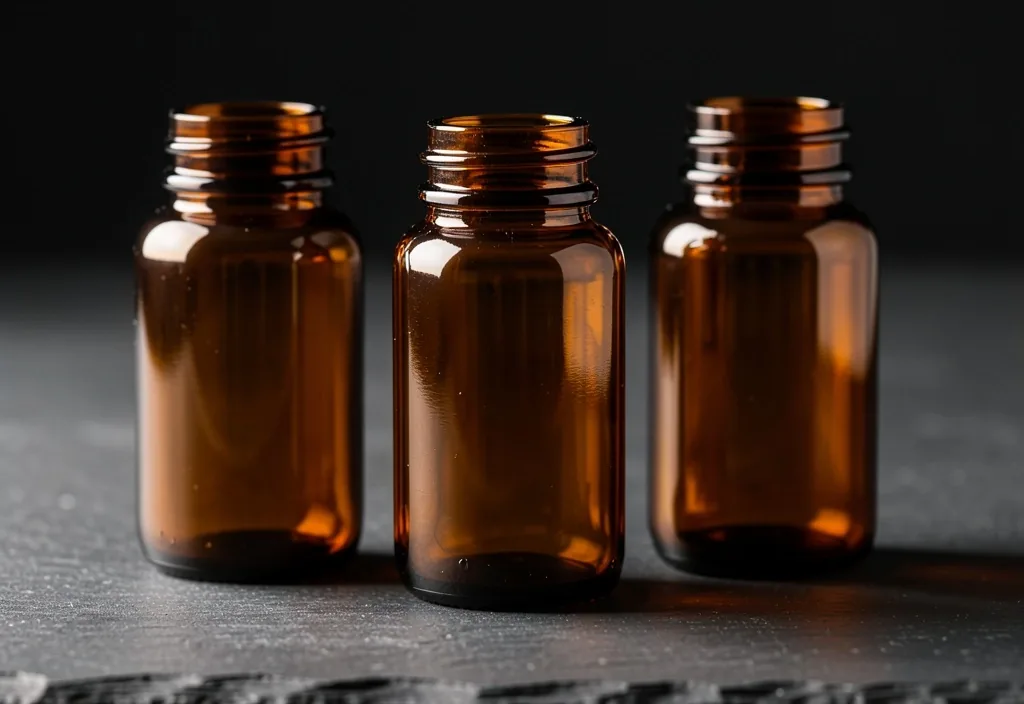
Understanding "Natural" Labels
The term "natural" can be used broadly in the wellness industry. At PriaOptimal, we look for products that use plant-derived ingredients, avoid synthetic dyes, and use minimal processing. We prefer supplements that utilize whole-food sources or standardized extracts. Our guides help you distinguish between a truly natural product and one that is simply marketed that way.
A genuinely natural supplement typically lists recognizable plant or food sources on the label — for example, "vitamin C from acerola cherry" rather than just "ascorbic acid" with no source specified. Processing matters too: minimal-extraction methods preserve more of the cofactors and compounds that occur alongside the main nutrient in whole foods.
- Plant-derived ingredient sources
- Standardized extract potencies
- Whole-food complexes
- Minimal processing methods
- Synthetic dye additives
- Vague proprietary blends
- No listed potencies
- Heavy fillers with no purpose
Does it matter when I take my vitamins? Yes, timing can affect absorption. Fat-soluble vitamins (A, D, E, K) should be taken with a meal containing healthy fats. Conversely, some energy and endurance supplements are best taken on an empty stomach or before physical activity. Consistency is the most important factor; supplements work best when they are part of a daily routine.
Building a habit around an existing anchor — breakfast, your morning coffee, or your post-workout window — makes it far more likely that you will actually take the product every day. Missing a day occasionally will not undo your progress, but irregular use means you never reach the steady blood levels that produce noticeable effects.
Timing and Consistency
Supplements vs. Whole Foods
Shouldn't I get all my nutrients from food? Ideally, yes. However, soil depletion, long transport times, and busy lifestyles make it difficult for most men to get everything they need from diet alone. We view men's vitamin supplements as an "insurance policy" that fills in the gaps left by your daily meals. They are meant to complement, not replace, a healthy diet.
A plate built around vegetables, quality protein, whole grains, and healthy fats will always deliver more than a capsule — food contains fiber, enzymes, and cofactors that no supplement can fully replicate. The practical reality is that consistent, nutrient-dense eating is hard to maintain every single day, and that is where a well-chosen supplement routine adds real value by covering the days when your meals fall short.
Even natural products can have side effects if taken improperly. For example, excessive zinc can interfere with copper absorption, and some herbs may interact with common medications. We provide general information on these interactions, but we always urge our readers to speak with a qualified professional before combining supplements with an existing routine.
Listening to your body and starting with lower doses is a prudent approach to any new men's health support routine. If you notice digestive discomfort, headaches, or unusual fatigue after starting a new product, pause and reassess before continuing.
Side Effects and Interactions
Common Questions, Direct Answers
While some energy-focused products may work within an hour, most vitamins and minerals for men require 3 to 6 weeks of consistent use to notice a significant change in your baseline vitality. Water-soluble nutrients like B-complex vitamins may produce subtle effects sooner, but the deeper changes in how you feel day to day come from sustained, regular intake.
Many nutrients work well together, but some can compete for absorption. It is generally safe to take a multivitamin with other specialized products, but we recommend spacing out high doses of individual minerals. For example, calcium and iron are best taken at different times of day, since calcium can reduce iron uptake when consumed together in large amounts.
Our content is focused on adult men. While the basic need for vitamins and minerals remains constant, the dosages and specific herbal needs vary significantly between younger men and seniors. A man in his twenties may prioritize different nutrients than someone in his fifties, and certain popular products for men are formulated with specific age ranges in mind.
Heat and humidity can degrade the quality of your capsules. We recommend storing all natural supplements for men in a cool, dry place away from direct sunlight, and ensuring the lids are tightly sealed. In Padang's warm and humid environment, a cabinet inside an air-conditioned room is preferable to a kitchen shelf near the stove or a bathroom cabinet where steam accumulates.
Reach Out to Our Editorial Team
If your question is not covered here, our team is available to help you find the right information. We respond to inquiries about supplement selection, ingredient transparency, and editorial sourcing practices.